 EN
EN
 Español

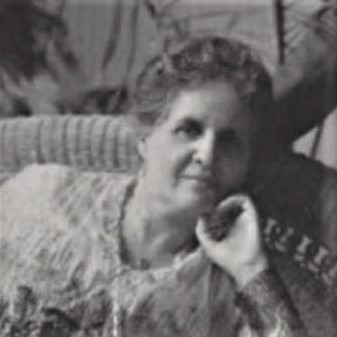
Maria Josefa Lamarque
About the Artist
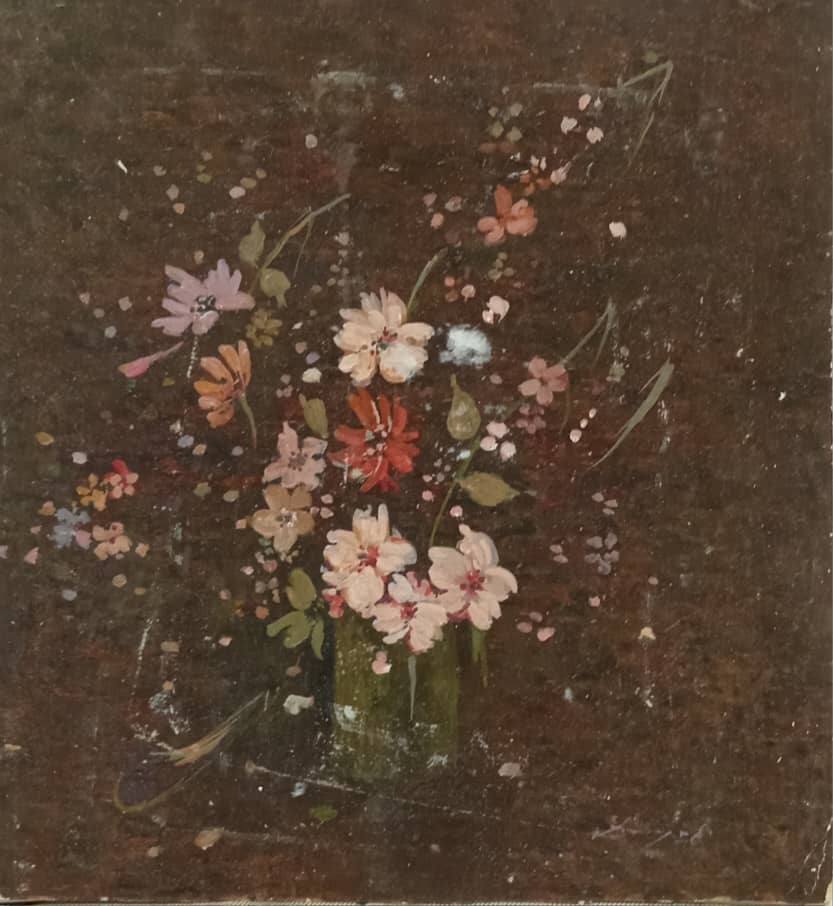
María Josefa “Pepa” Lamarque was born in Guantánamo in 1892. She grew up in a family that encouraged her artistic activities and trained in painting at the prestigious Academia de San Alejandro in Havana and learned under the tutelage of master painter Leopoldo Romañach. During his studies, he perfected his famous landscape, portrait and still life techniques. After completing her studies, Lamarque traveled to Europe to continue her artistic education, spending several years in Paris and being exposed to the latest trends in modern art, including cubism and surrealism. Great Bridges (1923) Upon his return to Cuba, Lamarque became an active member of the island's vibrant art scene, participating in numerous exhibitions and co-founding the Grupo de Arte Moderno, a collective of avant-garde artists that sought to promote modern art in Cuba. Lamarque's work often explored themes of Cuban identity and culture, with a particular interest in Afro-Cuban religious traditions. In 1924 he produced some of his best-known and representative works: a series of landscape studies of Puentes Grandes, a neighborhood in the municipality of Playa in Havana. One of his Puentes Grandes paintings is in the permanent collection of the National Museum of Fine Arts of Cuba, the country's main museum. That same year, he won the First Place Landscape Prize at the National Academy of Arts and Letters for his paintings, “Rincón de Puentes Grandes” and “Rincón Colonial”. Also in 1924, she and her colleague and close friend, Amelia Peláez, held a joint exhibition at the Association of Painters and Sculptors of Havana. Pepa was for a long time the silent queen of still lifes, a neat portraitist, dominating landscapes, domestic environments and details. But her art was then understood as the simple continuity of other male painters who preceded her, while Amelia was "the modernity" of the cubism that was all the rage in Picasso's Europe and Lam's Cuba, masters of the style. Unlike many of the era's leading figures, Lamarque eschewed modernist trends and stayed true to a traditional color palette and naturalistic style. Lamarque continued to exhibit in Cuba for years. In 1974, at the age of 82, she curated the last exhibition of her life, titled “The Flower Exhibition.” María Josefa died in Havana in 1975.
Gallery
Flores
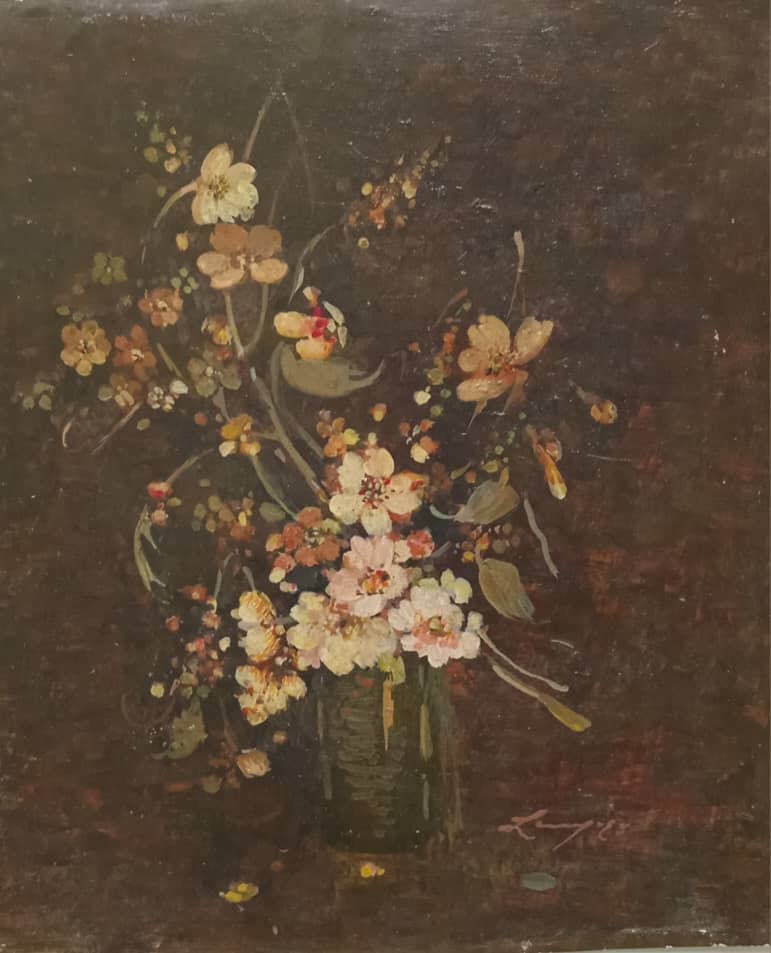
Flores